Fruitcake. Ugh, right? That’s probably how you’ve felt about it forever. Dry, dense, sticky bricks showing up at every holiday, staring you down from the good china. But here’s a little secret: I used to be a card-carrying fruitcake hater too! Trust me, if you’re anything like I was, you’ve got questions—like who actually eats this stuff, what’s in it, and is it even possible to make it taste good? Spoiler: YES. You can make a fruitcake people actually want to eat (even your picky cousin). Oh, and if you’re into baking weird holiday classics or want a side of history, check out my write-up on gingerbread houses and the surprise facts in Christmas cookie traditions. Okay, let’s dig into fruitcake, the misunderstood centerpiece.
History of Fruitcake
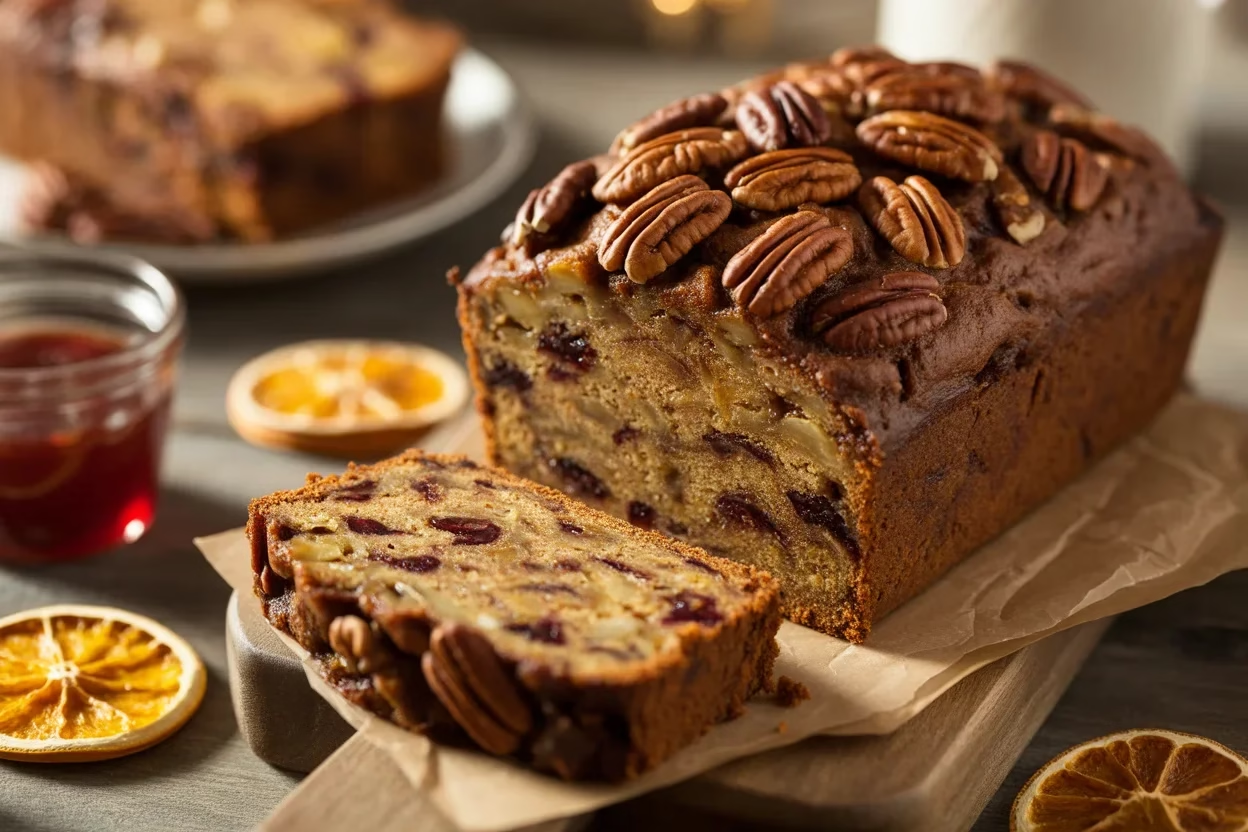
I’ll be honest, the fruitcake story goes deep. Like, ancient-Rome deep. Legends say Romans needed food that would last a long march, so they threw together barley, nuts, seeds, raisins, even honey wine—viola, proto-fruitcake. Hundreds of years roll by and it just keeps popping up, especially for holidays. Why? Sugar was precious and expensive, so preserving fruit was a big deal—party food for the rich folks back then.
By the Middle Ages and later, fruitcake was tied to weddings, holidays, and big celebrations all over Europe. Britain especially went bonkers for this cake, stuffing it with cherries, spices, and all sorts of boozy goodies. Did you know fruitcake even got banned for being “sinfully rich” at one point? Makes you wonder what old-timey fruitcake tasted like.
“I never thought I’d enjoy fruitcake until I tried a homemade slice—life changing! Trust your instincts, not the grocery store.” – Deb from Ohio
How to Make the Best Fruitcake
Alright, let’s stomp out those store-bought fruitcake nightmares, shall we? Here’s my family-approved approach, and it’s not rocket science—just some patience and decent ingredients.
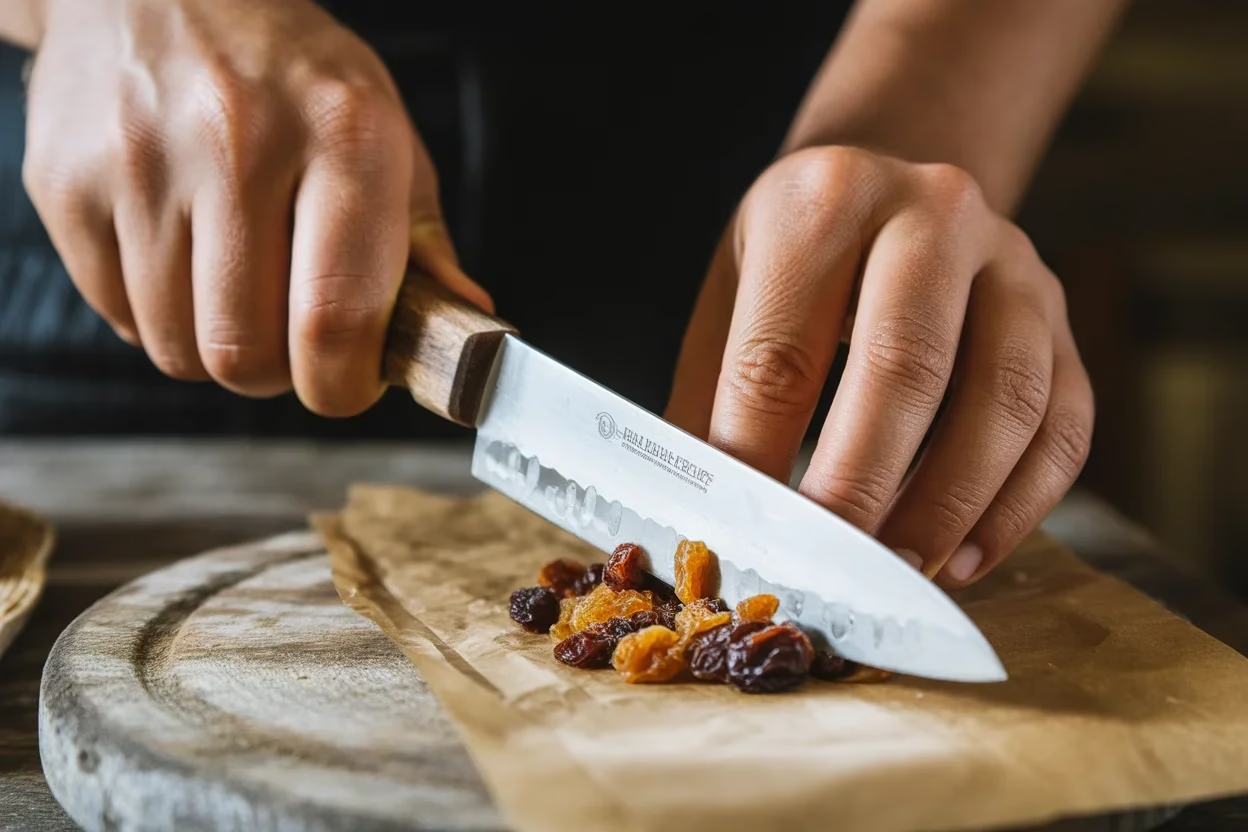
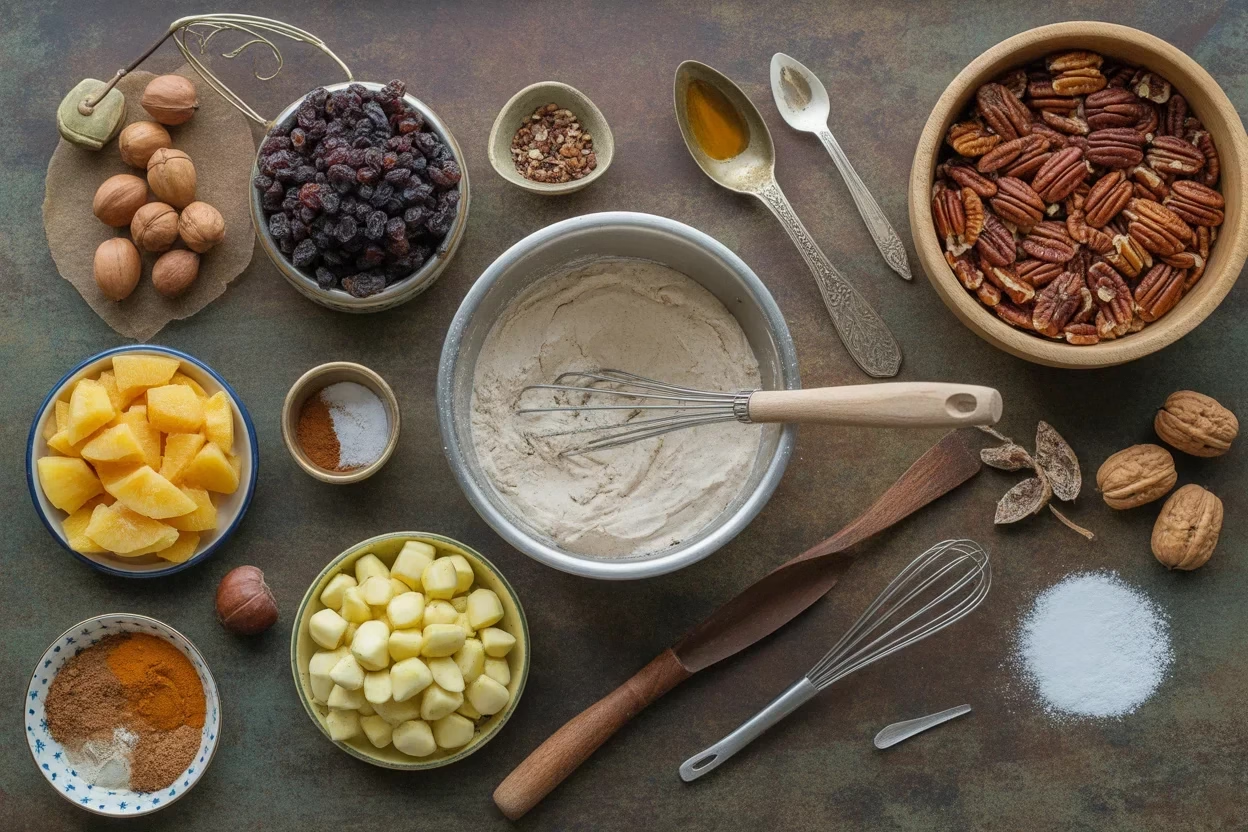
Start with a mix of dried fruit—raisins, cranberries, apricots, whatever you’ve got—plus a few nuts (pecans or walnuts are the best for me). Steep them in booze (brandy, dark rum, orange juice if you’re going booze-free) overnight if you can. Next, butter, brown sugar, eggs, and flour get creamed together. Dump in the soaked fruits with a little spice (my secret is adding ginger and tons of zest). Bake low and slow, around 300°F. The house will smell like a bakery exploded.
Now, people get twitchy about baking times. It can take 2 hours, sometimes more. Trust the old toothpick. And don’t skip lining your pan with parchment—the easiest insurance you’ll ever buy. Once it’s cooled, poke holes and splash a little extra brandy over the top. Magic.
How to Store Homemade Fruitcake
Okay, let’s talk keeping your fruitcake fresh. You don’t want that sad, crumbly slice by Christmas Eve. Here’s what does the trick:
Keep it in an airtight container. Tinfoil works, but I wrap mine in wax paper first, then foil. If you’ve added booze—let’s be honest, you probably should—top it up every week or so with a drizzle. A cool, dark pantry is perfect for short-term. Longer term? The fridge works but can dry it out, so double wrap it.
Forget the freezer unless you really need to stash leftovers for ages. Thawing fruitcake is, uh, an adventure (sometimes weirdly moist). I just eat it all by January.
Fruitcake Variations in Different Countries
Fruitcake isn’t just a holiday thing here. All over the world, people have spun it in their own ways. You get panettone in Italy—a billowy, yeasty version. Germany rocks stollen, packed with marzipan and dusted in a snowstorm of sugar. Caribbean folks soak their fruit in rum for a year (seriously). In Australia and the UK, Christmas isn’t complete without a dense slab at tea time. There’s even Japanese kasutera that puts a spongey twist on the whole idea—way lighter.
Every culture, it seems, takes fruitcake and gives it their home-style twist. Makes me think, maybe we’ve just been eating the wrong kind.
Shelf Life and Preservation Tips
Let’s be real, fruitcake lasts longer than most holiday leftovers. Properly wrapped, a boozy fruitcake can hang out for weeks, even months. If you want it truly legendary (like next-level flavor), “feed” it with a splash of brandy every now and then. This does a few things: keeps it moist, stops anything gross from growing, and basically ages it like a fine wine.
Dry or plain fruitcake will dry out sooner, maybe just a week or two. So if you’re skipping the booze (I get it), store it in the fridge but eat it quick. And always, always wrap tight. Nobody wants stale dessert at a party.
| Fruitcake Type | Suggested Storage | Shelf Life |
|---|---|---|
| Boozy Fruitcake | Cool dark place, airtight, wrap + brush with liquor | 1 month to several months |
| Non-Alcoholic Fruitcake | Fridge, double-wrapped | 1-2 weeks |
| Fruitcake Type | Key Ingredients | Cultural Significance |
|---|---|---|
| British Fruitcake | Cherries, almonds, and brandy | Traditionally served at weddings and Christmas |
| Italian Panettone | Dried fruit, candied citrus, and rum | Enjoyed during Christmas and New Year |
| German Stollen | Marzipan, nuts, and various dried fruits | A Christmas staple, symbolizing good luck |
| Caribbean Black Cake | Dark rum, dried fruits, and spices | A centerpiece for Christmas celebrations |
Serving Suggestions
Looking for clever ways to serve fruitcake and not get eye rolls? Try these:
- Toast slices and slather with butter. It’s life-changing, trust me.
- Pair with sharp cheese—think aged cheddar (total game changer).
- Serve cubes with coffee for a super classy holiday snack.
- Crumble it up on ice cream for an over-the-top treat.
Common Questions
Why does fruitcake have such a bad reputation?
Ha, blame the cheap, dry, mass-made kinds. Homemade fruitcake with good stuff is a whole different animal.
Do I have to use alcohol in my fruitcake?
Nope. You can soak fruit in juice and skip the boozy brush. Won’t keep as long, but still tasty.
How far ahead should I make fruitcake?
If using alcohol, make it 2-4 weeks ahead so flavors meld. Non-alcoholic, a few days is plenty.
Can I freeze my fruitcake?
Yes, tightly wrapped, but thaw slowly for best texture. Sometimes it gets a little soggy—give it time.
What fruits work best?
Mix it up! Dried cherries, apricots, raisins, and currants are classics, but really, use what you like.
Give Fruitcake a Second Chance!
Here’s the deal: fruitcake doesn’t have to stink. If you follow a homemade recipe and give it a shot, you’ll see why it’s been a worldwide go-to for ages (no, really). I promise, one slice of good fruitcake can change minds. And if you’re still skeptical, plenty of other folks still wonder has anyone ever had a good fruitcake?. By the way, check out fruitcake’s wild history for more food geekery, or see what happens when someone throws in pecans, apricots, and dates in their personal fruitcake success story. Go for it—bake your own, and maybe this weird old cake will win you over, too.
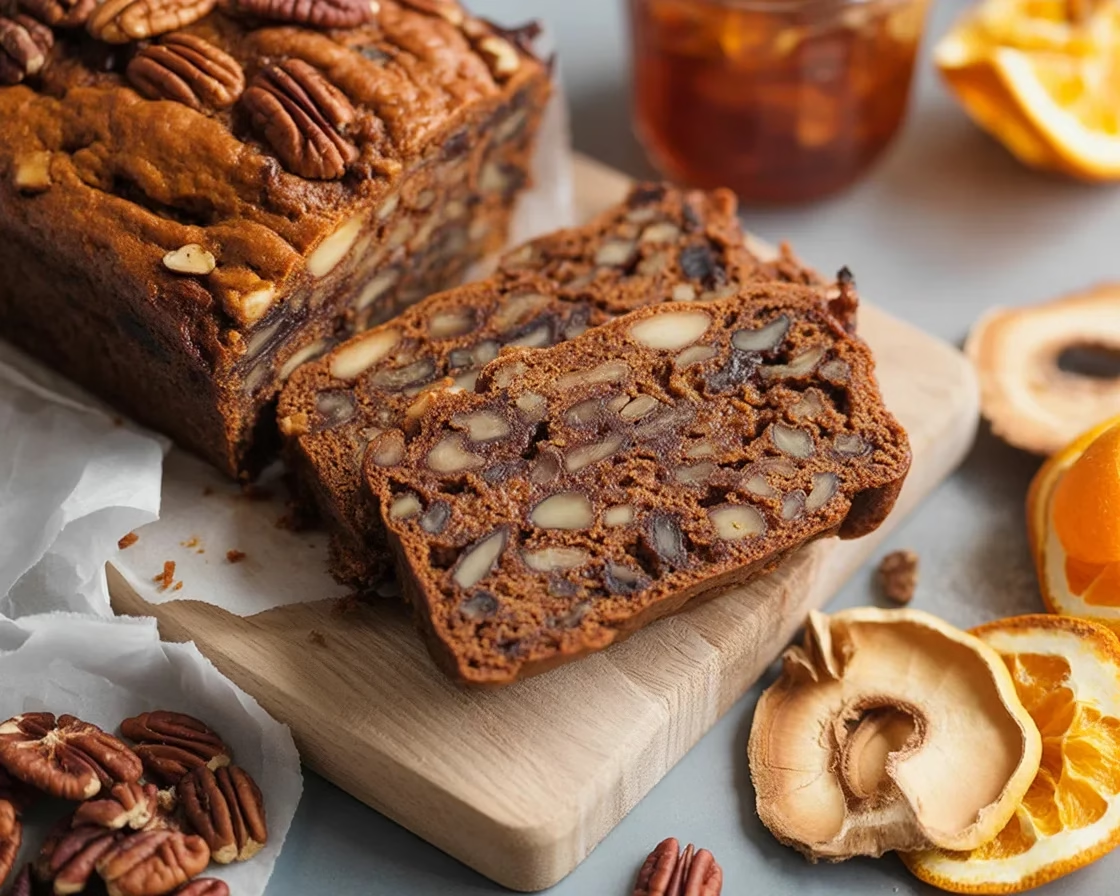
A Holiday Classic Reimagined
Description
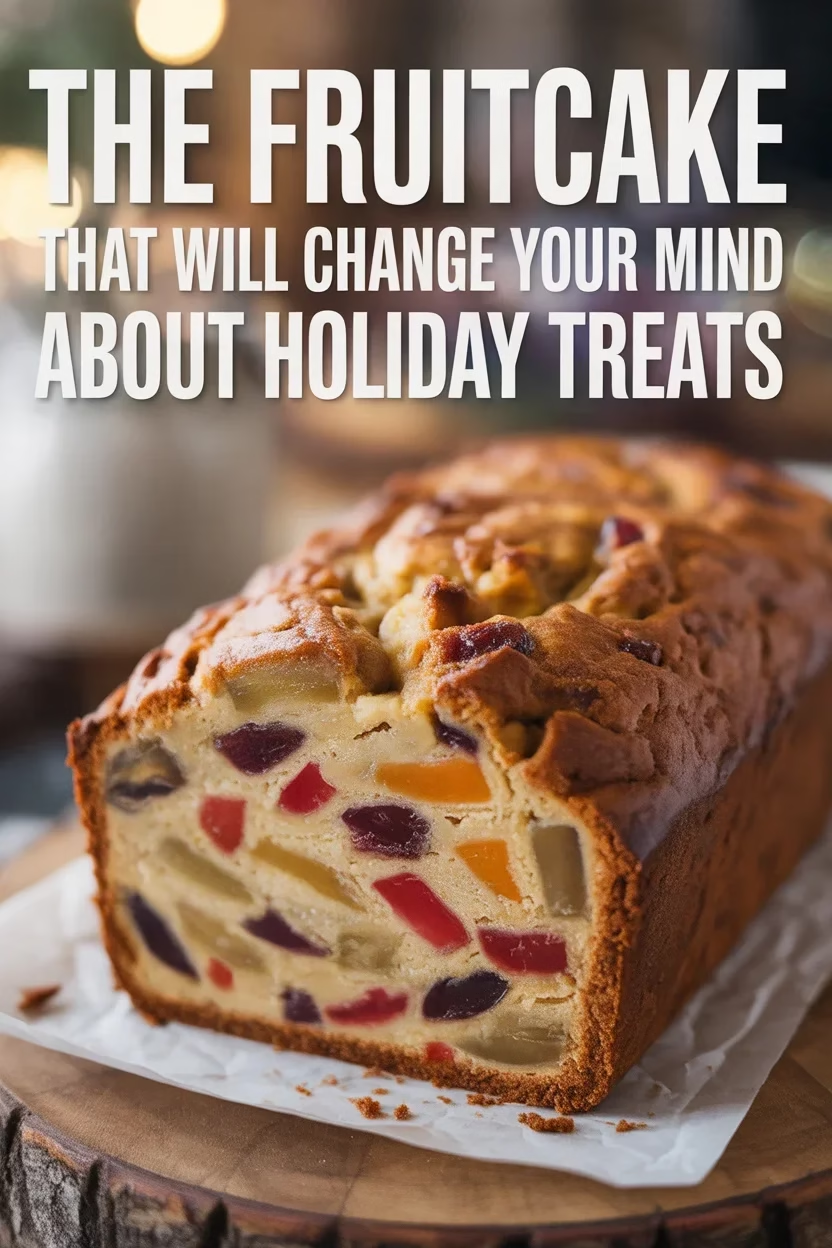
Discover how to create a delicious homemade fruitcake that will change your perception of this festive treat.
Ingredients
Instructions
- Combine the dried fruits and nuts in a bowl and soak them in brandy (or juice) overnight.
- In a large bowl, cream together the butter and brown sugar. Add eggs one at a time.
- In another bowl, mix the flour, ginger, and zest together.
- Gradually add the dry ingredients into the wet ingredients, then fold in the soaked fruits and nuts.
- Line a baking pan with parchment paper and pour the mixture into it.
- Bake in a preheated oven at 300°F for about 2 hours or until a toothpick comes out clean.
- Once the cake has cooled, poke holes in the top and drizzle some brandy over for extra flavor.
Notes
- Wrap well and store in a cool, dark place for best flavor.